
How to Safely Enable Generative AI for Employees
Safely enabling ChatGPT and other generative AI tools for employees has become a hot-button issue in many enterprises. On one hand, businesses see huge potential – nine out of ten employers are now seeking staff with “ChatGPT experience”. On the other hand, recent surveys reveal that over half of enterprise employees have already pasted confidential data into public AI […]
What is a Generative AI Firewall and Do You Need One?
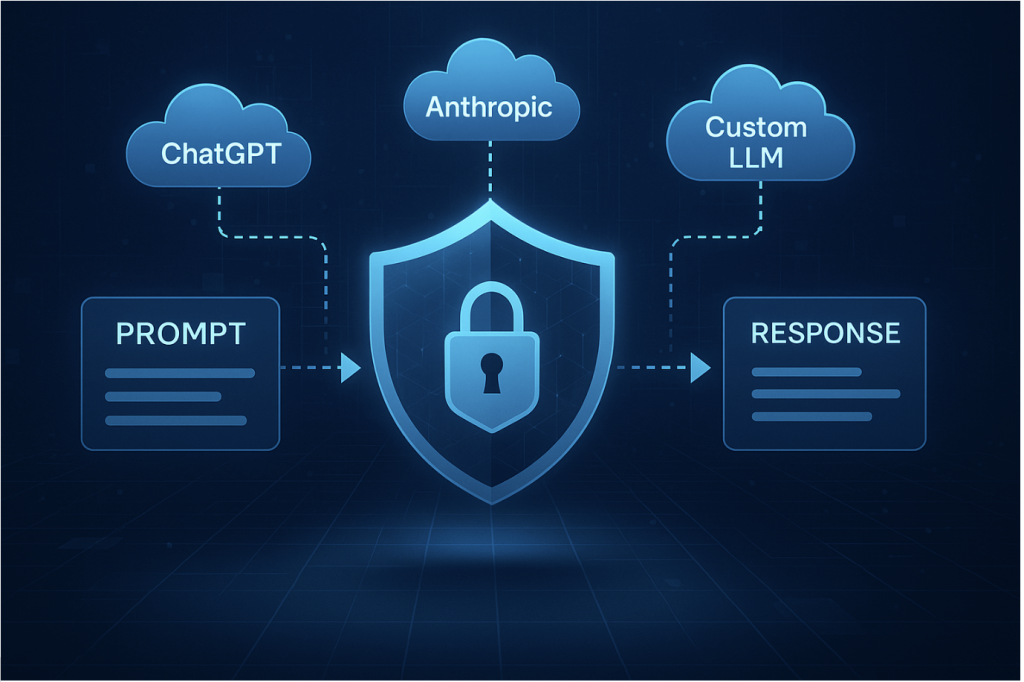
As enterprise adoption of generative AI surges, forward-thinking CISOs and security leaders are recognizing a critical blind spot. Tools like ChatGPT, Bard, and custom large language model (LLM) applications are being rapidly integrated into workflows – but traditional firewalls and security controls don’t understand AI prompt interactions. This means sensitive data could slip out or […]
How to Deploy AI Chatbots Securely
AI chatbots are rapidly becoming indispensable in the enterprise, from virtual assistants that help employees to customer-facing bots handling support queries. But with great power comes great responsibility: how secure is your AI chatbot? In this guide, we’ll explore enterprise AI chatbot security best practises – blending traditional IT security measures with new safeguards for large […]
The Definitive Guide to Generative AI Security Solutions for Enterprises
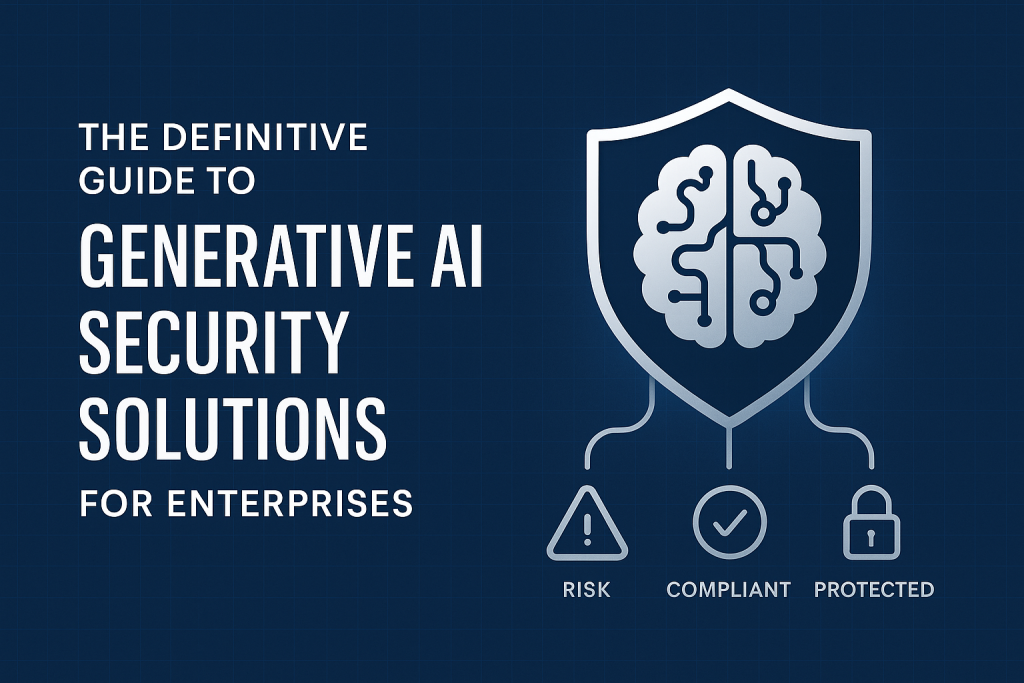
Generative AI is transforming how enterprises operate, from automating customer service to accelerating software development. But alongside this opportunity comes unprecedented security risk. In fact, according to IBM’s 2023 X-Force Threat Intelligence Index report, AI-related security incidents spiked by 26 % in 2023 alone, and half of security leaders now rank generative AI governance as […]
How to Secure Your Retrieval-Augmented Generation (RAG) Applications

Retrieval-augmented generation, better known as RAG, is causing quite a stir these days. Why is that? It gives Large Language Models (LLMs) a serious boost by hooking them up to outside knowledge, so their answers aren’t just smarter but also more accurate, relevant, and current. It’s a bit like handing your AI a library card […]
Making Sense of AI Security Frameworks: Your Roadmap to OWASP, MITRE ATLAS, and the NIST RMF
Artificial Intelligence has woven itself into the daily workings of modern businesses, sparking a wave of efficiency and innovation, unlike anything we’ve seen before. AI-driven applications are shaking up entire industries, whether it’s customer-service chatbots that actually grasp the subtleties of human conversation or automated systems making sense of complex decisions behind the scenes. But […]
Adversarial AI: Exposing LLM Weaknesses

We previously discussed adversarial prompts and their role in manipulating AI outputs. But are you aware of Adversarial AI? While it sounds like something out of a futuristic cyberpunk novel, how realistic are these attacks? Are they just academic curiosities, or are they something security teams should actually worry about today? Spoiler alert: They’re unfortunately […]
Are LLM Firewalls the Future of AI Security? Insights from Black Hat Asia 2025

At cloudsineAI, we believe that as GenAI continues to evolve, so must our approach to securing it. On 2nd April, our CEO and Founder, Matthias Chin, joined an expert panel at the inaugural AI Summit at Black Hat Asia 2025 to discuss a rising concern in the cybersecurity space: Are LLM firewalls the future of […]
A Deep Dive into LLM Vulnerabilities: 8 Critical Threats and How to Mitigate Them

Introduction Large Language Models (LLMs) like GPT-4 and others are powering a new wave of enterprise applications – from intelligent chatbots and coding assistants to automated business process tools. However, along with their transformative potential comes a host of new security vulnerabilities unique to LLM-driven systems. High-profile incidents and research findings have shown that if […]
Detecting and Defending Against Adversarial Prompts in Generative AI Systems

Explore comprehensive strategies to detect and defend against adversarial prompts in generative AI. Learn how embedding similarity, pattern matching, and red teaming can safeguard your AI applications from malicious prompt attacks.